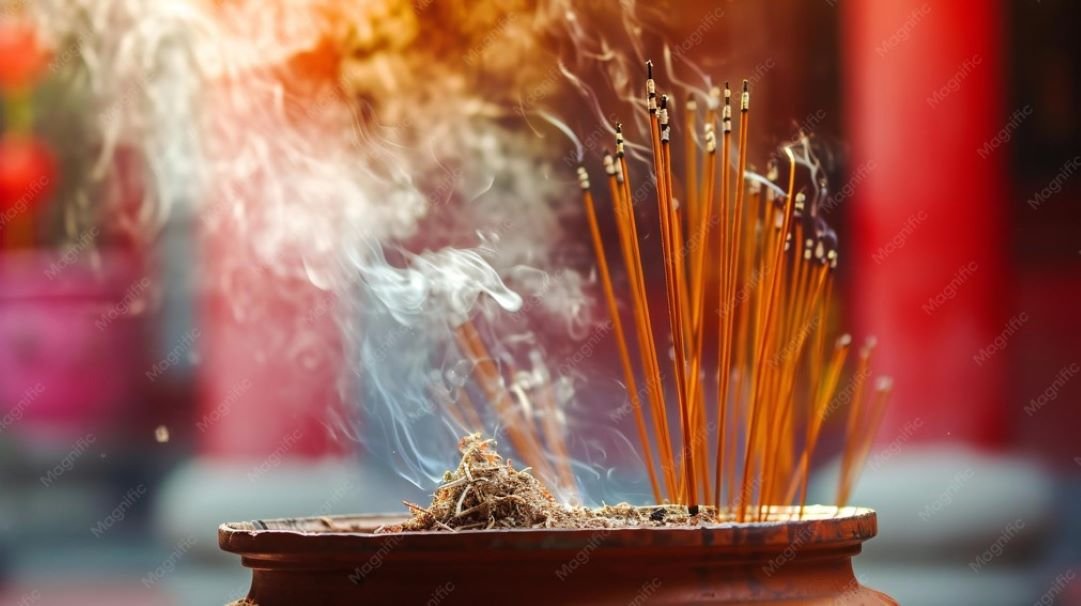



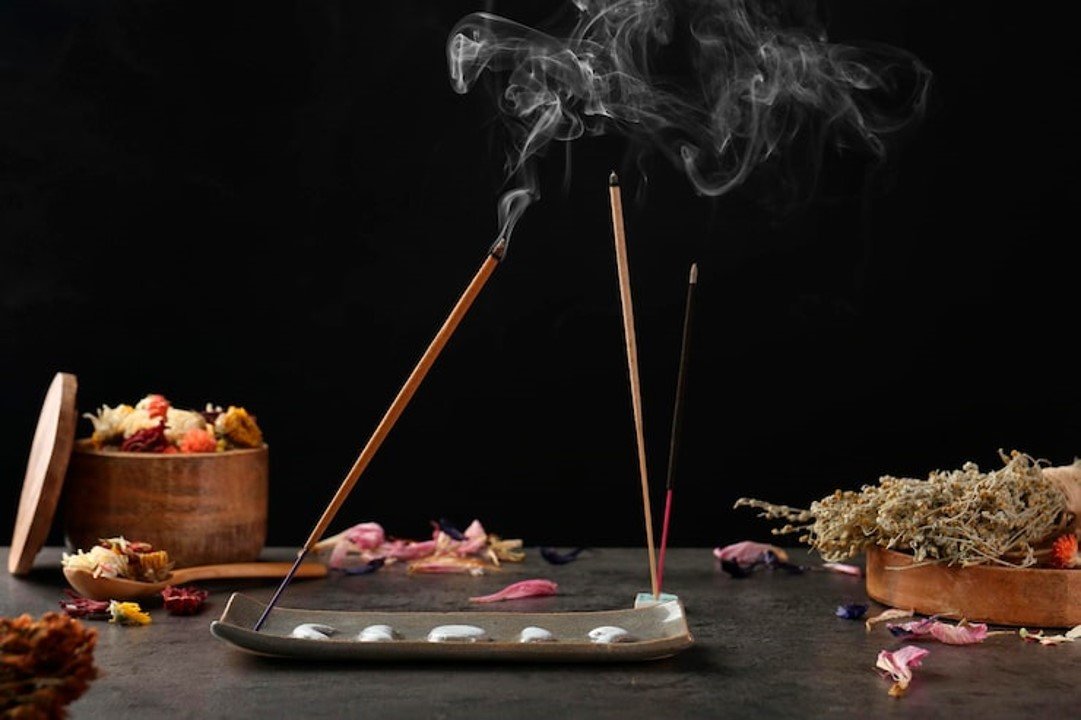
Walking into a room filled with the scent of burning agarwood feels nothing like standing near a regular incense stick. The difference is not subtle. It sits in the air, deep and woody, almost meditative in a way that ordinary fragrance blends rarely manage. For anyone searching for agarwood incense sticks online in India, understanding this difference can change how they choose incense altogether.
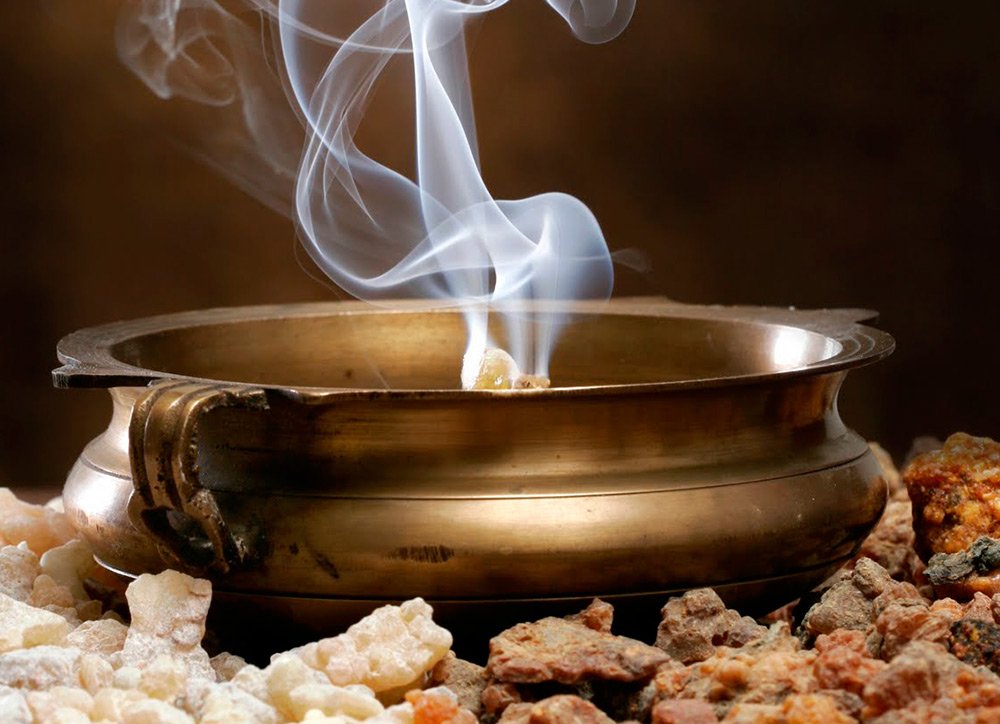
Agarwood, often called oud, comes from a resin that forms inside the Aquilaria tree when it reacts to a natural fungal infection. This resin is rare, slow to develop, and expensive to harvest. Regular fragrance blends, on the other hand, usually combine synthetic oils, floral extracts, or mass-produced essences designed to smell pleasant without much depth. That single distinction shapes everything else about how the two compare.
Why Agarwood Stands Apart from Common Incense
Agarwood is not manufactured overnight. Trees need years, sometimes decades, before the resin matures enough to release its signature aroma. This slow formation gives agarwood a complexity that synthetic blends simply cannot copy.
A few things set it apart clearly:
- Natural origin – Agarwood resin forms organically inside the tree, unlike lab-created scent compounds.
- Layered aroma – It carries notes of wood, earth, and a faint sweetness that shifts as it burns.
- Longer-lasting presence – The fragrance lingers in a room far longer than most regular incense sticks.
- Cultural significance – Agarwood has been used in temples, meditation spaces, and royal courts for centuries.
Regular fragrance blends focus on immediate pleasantness. Agarwood focuses on depth, and that difference becomes obvious within the first few minutes of lighting it.
The Making Process Behind Agarwood Incense
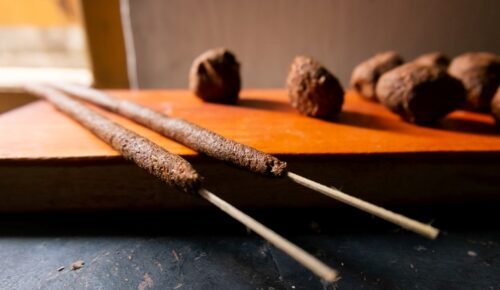
Producing genuine agarwood incense takes patience. Manufacturers extract the resin-infused wood, dry it carefully, and grind it into a fine powder before blending it with natural binders. No shortcuts work here, because agarwood’s aroma depends entirely on how well the resin has developed inside the tree.
Regular incense sticks often skip several of these steps. Many rely on:
- Synthetic fragrance oils sprayed onto bamboo sticks
- Chemical fixatives to make the scent last longer
- Artificial coloring for visual appeal
- Mass production methods that prioritize speed over quality
This is exactly why people who want to buy natural agarbatti online in India should check ingredient lists closely. A stick labeled sandalwood or agarwood does not always contain real extracts. Sometimes it is simply a chemical approximation dressed up with a familiar name.
How the Burning Experience Differs
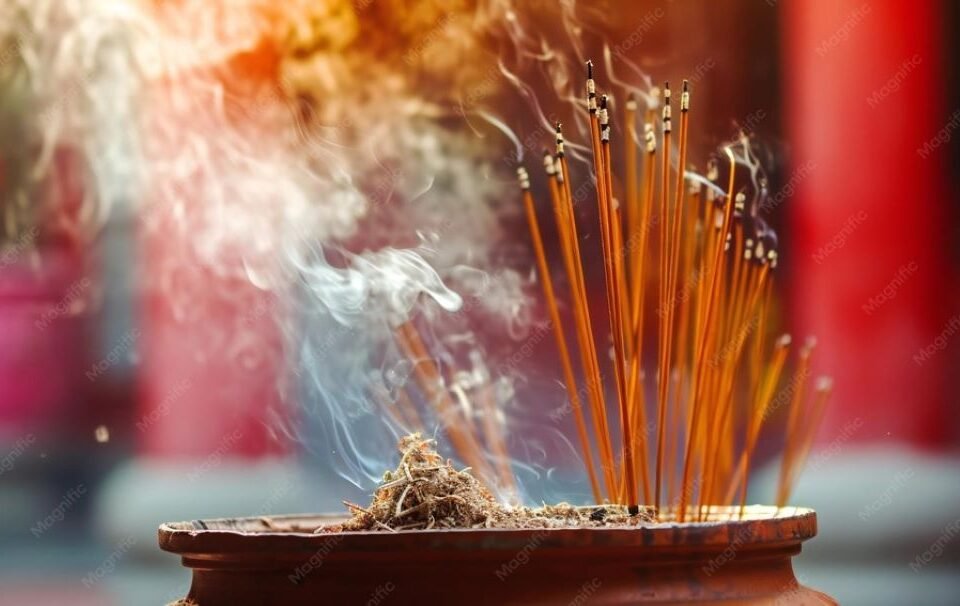
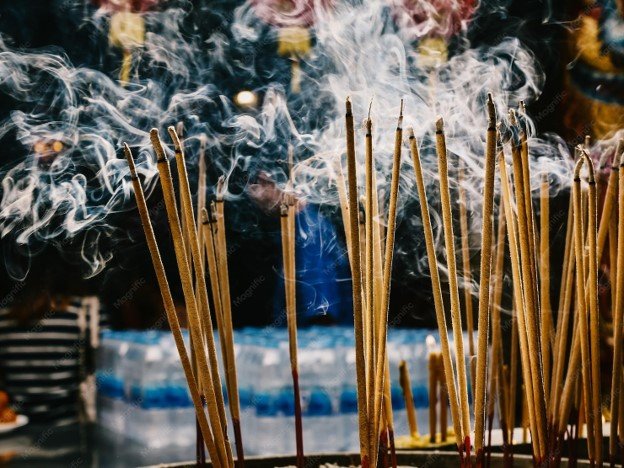
Burning agarwood incense feels almost ceremonial. The smoke rises slowly, and the scent develops in stages rather than hitting all at once. Regular fragrance sticks usually release their aroma quickly, then fade within an hour.
Here is what most users notice during burning:
- Agarwood: Smoky, resinous opening notes that mellow into a warm, grounding base.
- Regular blends: A strong initial burst of fragrance that thins out fast, sometimes leaving a chemical trace.
- Agarwood: Works well for meditation, prayer, and quiet reflection.
- Regular blends: Better suited for masking odors or adding a quick pleasant smell to a space.
Neither is wrong for its purpose. Agarwood simply serves a different need, one rooted in tradition and calm rather than convenience.
Health and Environmental Considerations
Natural incense generally burns cleaner than synthetic versions. Agarwood, being a raw material rather than a chemical mixture, produces smoke that many people find gentler on the senses.
A few points worth noting:
- Synthetic fragrance oils can sometimes cause mild headaches or throat irritation in sensitive individuals.
- Agarwood’s natural composition tends to be milder, though everyone’s tolerance differs.
- Sustainable harvesting practices matter, since overharvesting has put pressure on wild Aquilaria trees.
- Buyers should look for suppliers who source responsibly rather than contributing to unchecked extraction.
Anyone who plans to buy incense sticks online in India regularly should factor these details into their decision, not just the price tag.
Choosing Between Agarwood and Regular Incense
Selecting the right incense depends on intent. Someone lighting a stick during a busy evening at home might prefer something light and floral. Someone settling into a meditation session or a puja ritual often reaches for agarwood instead.
A quick way to decide:
- For daily use and quick freshness – Regular floral or fruity blends work well.
- For spiritual practice or deep relaxation – Agarwood offers a richer, more grounding experience.
- For gifting or special occasions – Agarwood feels more premium and thoughtful.
- For budget-conscious buyers – Regular blends remain more affordable and widely available.
There is no single correct choice here. Both have a place, and knowing the difference simply helps buyers pick what fits their moment.
What to Check Before Buying Agarwood Incense Online
Not every product labeled “agarwood” delivers the real experience. Some quick checks can help:
- Look for clear ingredient disclosure on the packaging or product page.
- Avoid products with unusually low prices, since genuine agarwood resin is costly to source.
- Read customer reviews focused on scent longevity and authenticity.
- Prefer manufacturers with a documented history in incense-making rather than newer, unverified sellers.
These small steps make a noticeable difference in the quality of the final product.
Storing Agarwood Incense the Right Way
Proper storage affects how long agarwood incense keeps its natural aroma. Resin-based fragrances are sensitive to heat, humidity, and direct sunlight, all of which can weaken their scent over time.
A few simple storage habits help preserve quality:
- Keep it in a cool, dry place – Excess moisture can dull the resin’s natural fragrance.
- Store sticks in an airtight container – This prevents the aroma from evaporating between uses.
- Avoid direct sunlight – Heat exposure can alter the composition of natural oils within the incense.
- Separate from strong-smelling items – Agarwood can absorb nearby scents, which changes its original character.
Following these small steps ensures that every stick burns exactly as intended, with its full depth and richness intact, whether it is used the same week or several months later.
Conclusion
Agarwood incense and regular fragrance blends serve different purposes, even though they sit on the same shelf. One offers depth, tradition, and a slow-burning richness that develops over time. The other offers convenience and a quick, pleasant scent for everyday moments.
At Dhoot Sugandhi, we understand this distinction closely, having spent decades working with natural ingredients and traditional incense-making methods. Our approach stays rooted in authenticity, so every product reflects genuine craftsmanship rather than shortcuts. Whether someone is drawn to the grounding aroma of agarwood or the everyday charm of regular incense, we believe the choice should always come from a clear understanding of what each fragrance truly offers.
Frequently Asked Questions
What makes agarwood incense different from regular incense sticks?
Agarwood incense is made from naturally formed resin inside the Aquilaria tree, giving it a deeper, longer-lasting aroma compared to synthetic fragrance blends used in regular incense sticks.
Is agarwood incense safe to use daily?
Yes, agarwood incense is generally considered gentle and safe for regular use, though people with respiratory sensitivities should burn any incense in a well-ventilated space.
Where can I buy natural agarbatti online India that contains real agarwood?
Buyers should choose established manufacturers who disclose ingredients clearly and have a proven history of natural incense production, rather than opting for unverified sellers offering unusually low prices.
Why is agarwood incense more expensive than regular incense sticks?
Agarwood resin takes years to form naturally and requires careful harvesting and processing, which makes it significantly costlier than mass-produced synthetic fragrance blends.