


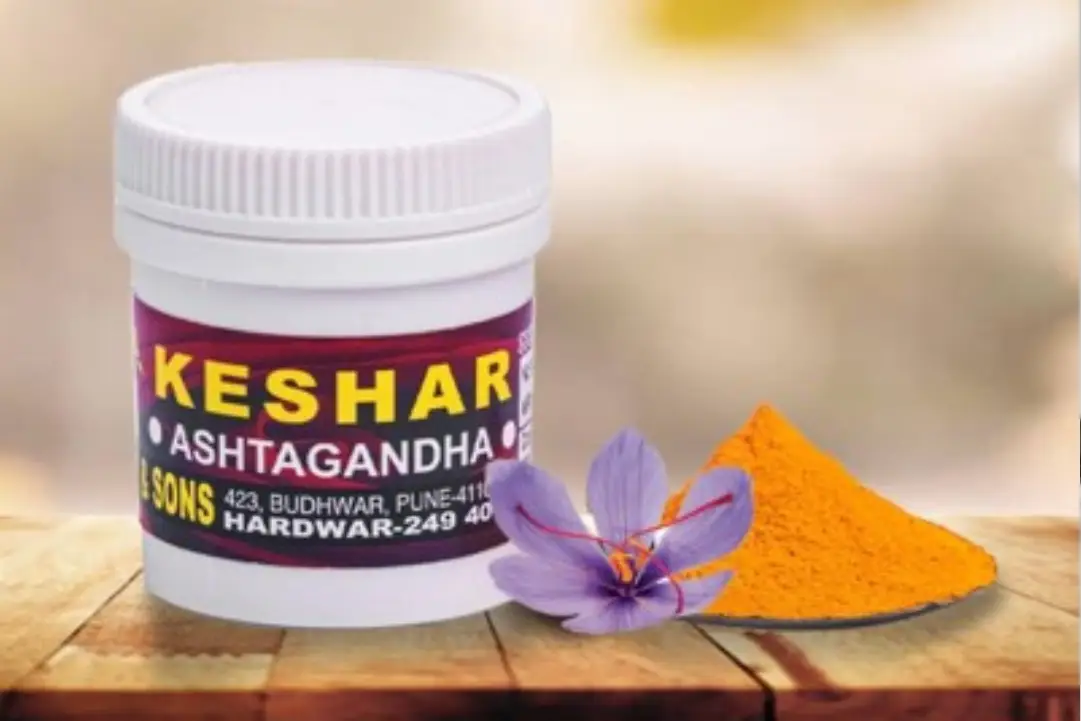
Walk into any Indian home during a puja, and you’ll likely spot a small wooden box with a fine, fragrant paste inside. That paste is often ashtagandha, a blend that has quietly held its place in Hindu rituals for centuries. Many devotees searching for ashtagandha tilak powder online in India do not always know the history behind what they are applying to their forehead. We think that’s worth explaining properly, because a ritual means more when you understand it.
What Does Ashtagandha Actually Mean
The word itself comes from two Sanskrit roots. Ashta means eight, and gandha means fragrance. Put together, ashtagandha refers to a combination of eight aromatic substances, each chosen for a specific reason.
It is not a random mixture of nice-smelling powders. Every ingredient carries its own symbolism, and together they’re believed to create a paste that purifies the mind before worship begins. We’ve noticed that in many households, this blend gets passed down in small quantities, almost like a family recipe that nobody questions but everyone trusts.
The Eight Ingredients That Make Up Ashtagandha
While recipes vary slightly by region and tradition, the classical composition usually includes these components:
- Chandan (Sandalwood) – cooling, calming, and considered the base of most sacred pastes
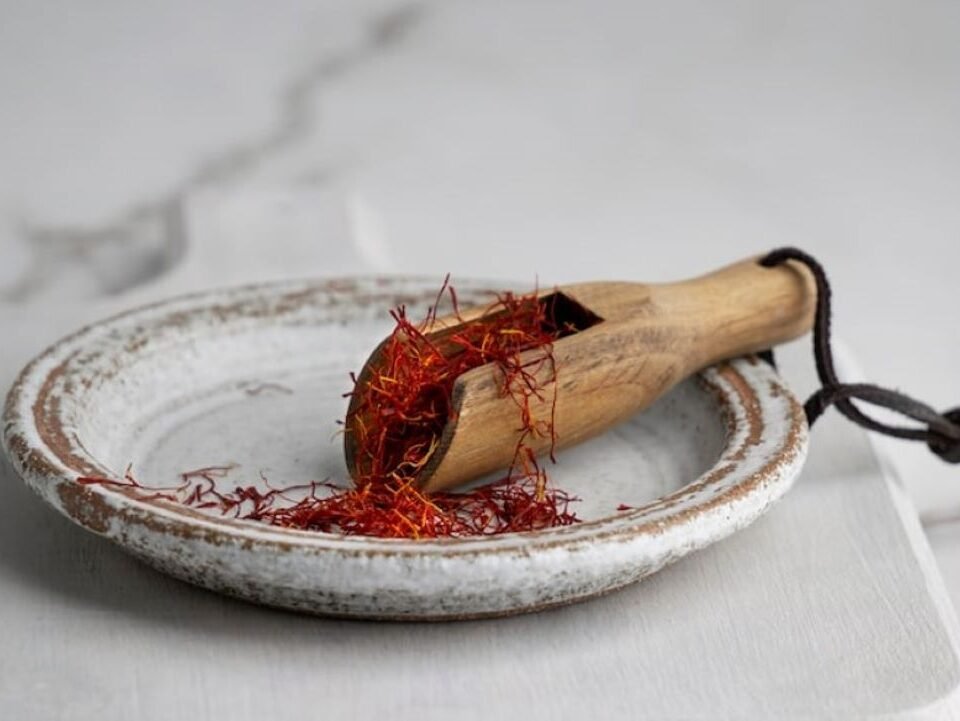
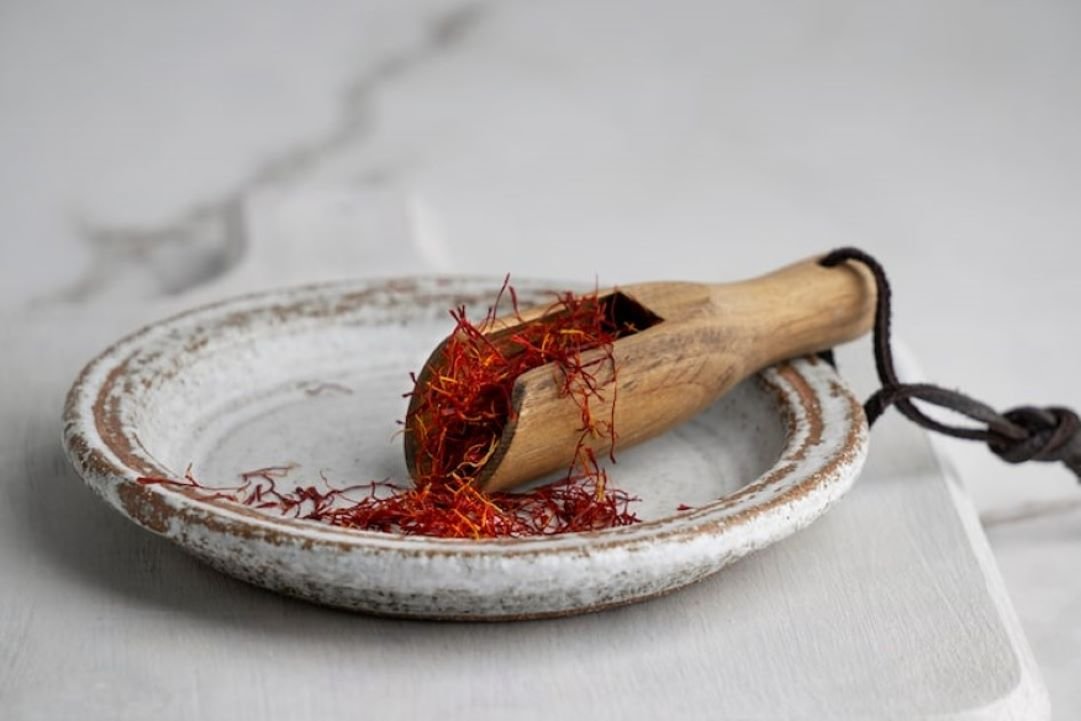
- Kesar (Saffron) – adds a golden hue and a subtle richness to the tilak
- Kasturi (Musk, often replaced with a plant-based alternative today) – lends depth to the fragrance
- Agar – a resin known for its earthy, grounding scent
- Kapoor (Camphor) – brings a sharp, purifying note
- Javitri (Mace) – a warm spice that rounds out the blend
- Jatamansi – an aromatic root used in Ayurveda for centuries
- Rakt Chandan (Red Sandalwood) – adds color and is associated with vitality
Not every commercial pack follows this exact list, honestly. Some sellers substitute ingredients based on availability or cost. That’s why checking the composition before you buy matters more than people realize.
Why This Blend Holds a Place in Puja Rituals
Applying tilak isn’t just a cosmetic gesture. In most traditions, the forehead is treated as a point of focus during prayer, sitting close to what’s often called the “third eye” in yogic thought. A dab of ashtagandha there is meant to sharpen concentration and mark the beginning of a sacred act.
There’s also a practical layer to this. Sandalwood and camphor have natural cooling properties. Priests performing long rituals, sometimes for hours, would have genuinely appreciated that relief on a hot day. Function and symbolism ended up blending together over generations, which is fairly common in how Indian rituals evolved.
We often hear customers ask whether ashtagandha and plain chandan tika are the same thing. They’re related, but not identical.
Ashtagandha Compared to Chandan Tika
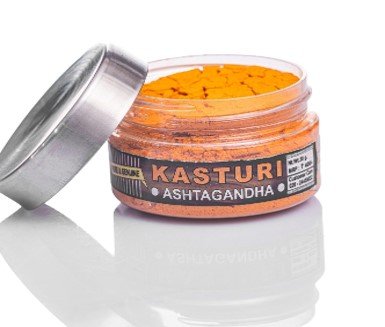
Chandan tika typically refers to sandalwood paste alone, sometimes mixed with water or rosewater. Ashtagandha, on the other hand, is the more elaborate version with all eight ingredients combined. Think of chandan as one instrument, while ashtagandha is closer to a small ensemble.
For festivals like Navratri, Diwali puja, or daily aarti at home, many families now prefer to buy ashtagandha chandan tika online, since it saves the trouble of sourcing eight separate ingredients and grinding them at home. Fewer people have the time for that these days, and there’s no shame in it.
How Keshar Ashtagandha Is Used During Worship
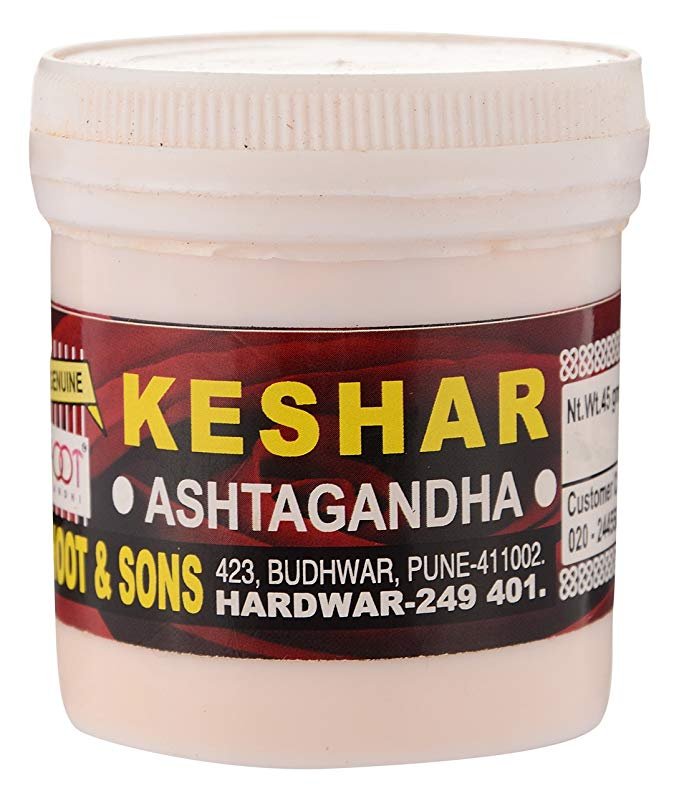
Saffron-infused ashtagandha, often labeled as keshar ashtagandha, is a popular variant because of its color and mild fragrance. Here’s how it’s generally applied:
- A small amount of the paste (or powder mixed with a few drops of water) is taken on the ring finger.
- It’s applied to the forehead in a vertical or horizontal line, depending on family or sect tradition.
- Some devotees also apply a small dot on the throat or chest before beginning the puja.
- The remaining tilak is left to dry naturally rather than wiped off.
People searching for keshar ashtagandha for puja online are usually looking for a ready-to-use version that doesn’t require mixing multiple powders each morning. That convenience has genuinely changed how younger generations approach daily rituals, without taking away from the meaning behind them.
What to Check Before You Buy Ashtagandha Online
A few practical points can help you choose a better product:
- Ingredient transparency – look for a clear list of what’s actually inside the blend
- Natural fragrance – synthetic scents tend to fade oddly or smell artificial after a few weeks
- Texture – a good ashtagandha powder should be fine, not gritty
- Packaging – airtight containers preserve fragrance and prevent moisture from spoiling the mix
- Source credibility – established sellers with proper sourcing tend to maintain more consistent quality batch after batch
None of this is complicated, but skipping these checks is exactly how people end up disappointed with a purchase that smelled fine on a screen and fell flat in hand.
Conclusion
Ashtagandha isn’t just a fragrant powder sitting in a puja thali. It carries centuries of thought about focus, purity, and the small rituals that mark the start of prayer. Whether you’re preparing for a festival or simply continuing a habit passed down from your parents, understanding what goes into that paste adds a layer of meaning to something that might otherwise feel routine. At Dhoot Sugandhi, we work to keep that tradition intact, offering blends made with attention to the ingredients that actually matter.
Frequently Asked Questions
1. Is ashtagandha the same as regular chandan powder?
No. Chandan powder is sandalwood alone, while ashtagandha combines eight different aromatic ingredients, sandalwood being just one of them.
2. Can ashtagandha be used daily, or only during special festivals?
It can be used daily for regular puja as well as during major festivals. Many households apply it every morning before prayer.
3. Does keshar ashtagandha have any skin benefits besides religious use?
Saffron and sandalwood are both known in Ayurveda for their cooling and soothing properties, though its primary use remains ritualistic rather than cosmetic.
4. How should I store ashtagandha powder to keep it fresh?
Keep it in an airtight container, away from direct sunlight and moisture, to preserve its fragrance and texture for longer.