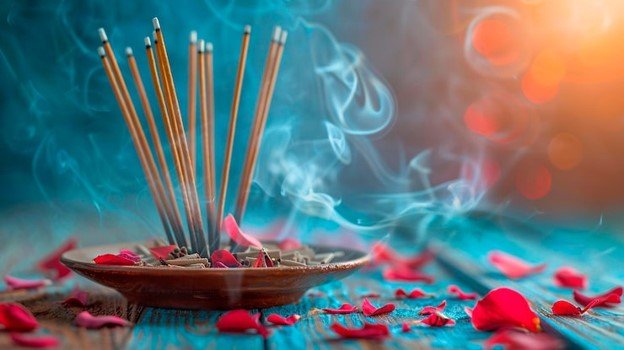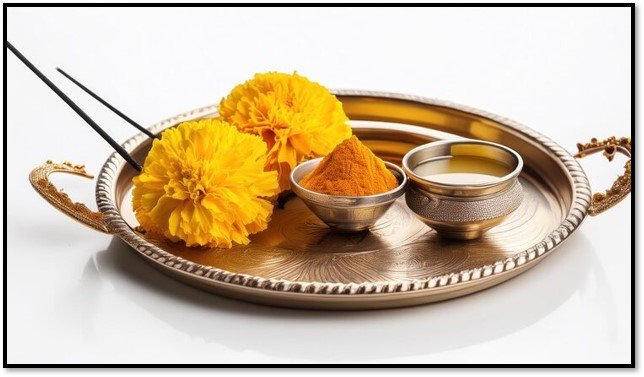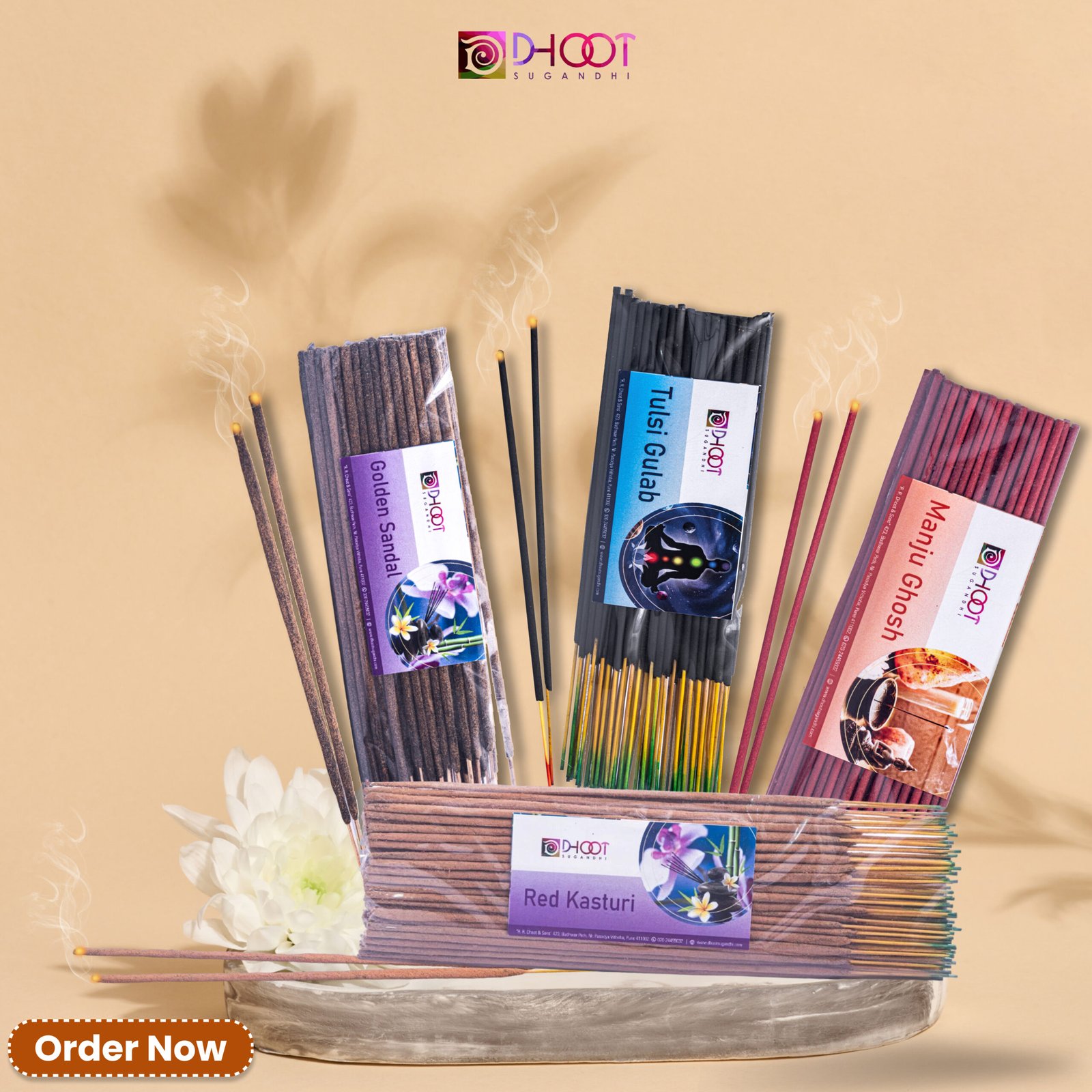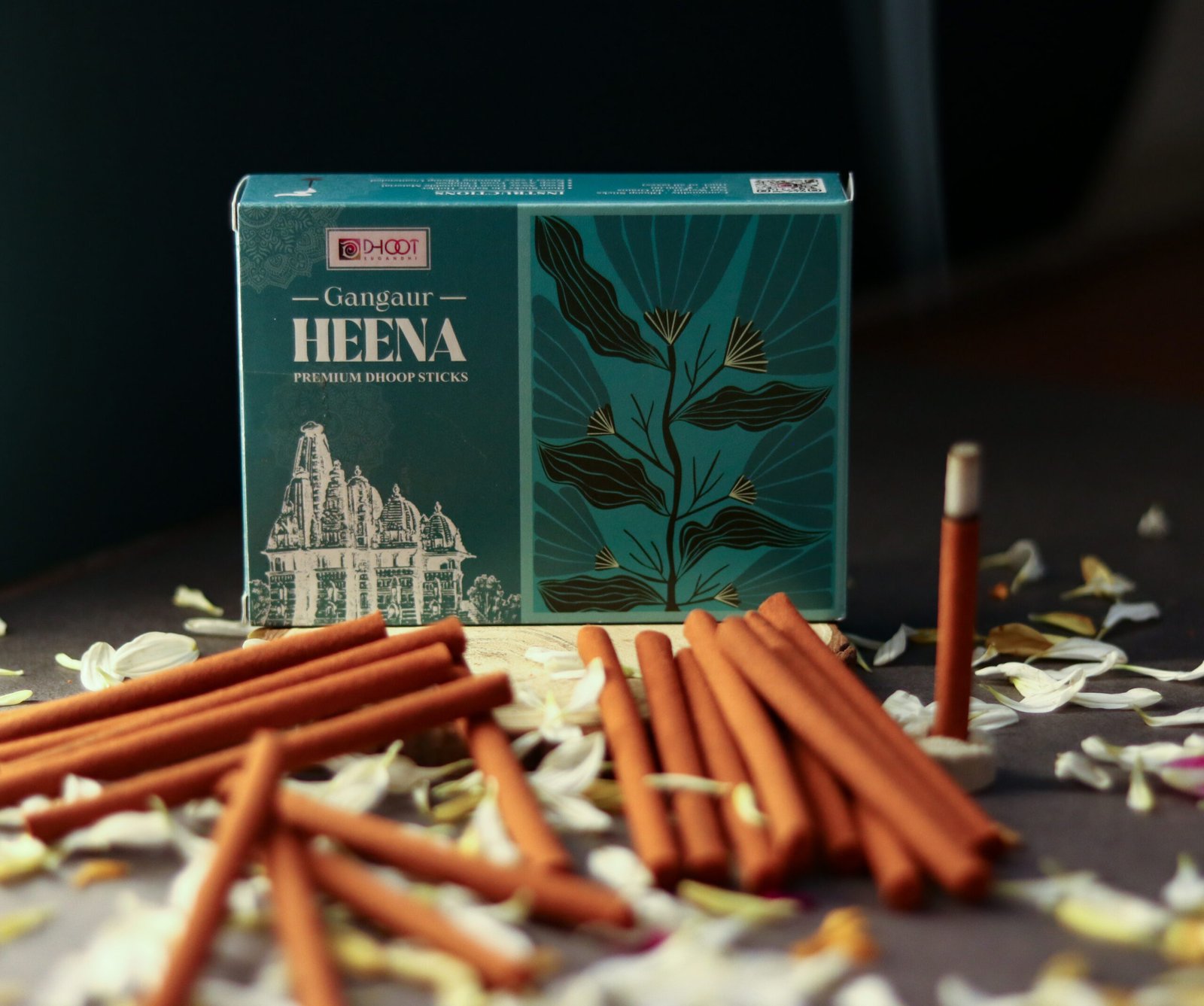



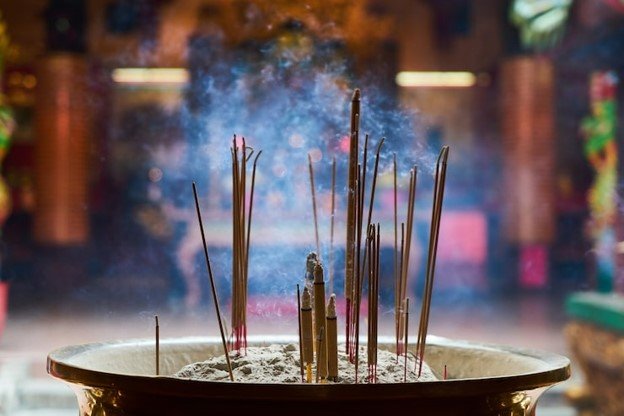
Most homes keep a box of agarbatti near the prayer shelf. Few of us read the pack before lighting the first stick. Today, many families buy agarbatti online in India because the range is wider and delivery reaches the doorstep. A wider range, though, makes the final pick harder.
This blog shows us how to choose with confidence. We cover the main types, ingredients, fragrance notes, burn quality and a few buying habits that protect both money and mood.
Why the Right Agarbatti Matters
Agarbatti does two jobs in a home. It marks the start of prayer, and it sets the mood of a room. One stick rarely does both equally well.
A resin-rich stick suits an evening aarti. A light floral one suits a study corner. Think of agarbatti as a quiet guest: welcome, but never louder than the room.
Know the Main Types First
Masala Agarbatti
Masala sticks are made from a thick paste of herbs, resins and wood powders, rolled onto a bamboo stick. The aroma is deep, earthy and long-lasting. This type is a common choice for daily puja and festivals.
Scented Agarbatti
Scented sticks usually carry their aroma through fragrance oils. The notes are lighter and more varied, such as rose, jasmine or musk. They work well in living rooms, entrances and small offices.
Dhoop Sticks and Cones
Dhoop gives thicker smoke and a stronger presence. A small room fills quickly, so we keep it for special rituals.
Quick tip:
- Choose masala for devotion.
- Choose scented sticks for everyday freshness.
- Choose dhoop for occasions.
Read the Ingredients Before Anything Else

The ingredient list tells us more than the picture on the box. Short, clear lists are a good sign. Vague wording is not.
When we buy natural agarbatti online in India, these points are worth checking:
- Named ingredients such as sandalwood, saffron, loban, guggul or herbs
- Essential oils or natural resins, rather than only the word “fragrance”
- A manufacturer address and contact number on the listing
- Clear weight and stick count
Natural does not always mean mild. Even herbal smoke can bother sensitive lungs, so a trial pack is a sensible first step.
Match the Fragrance to the Purpose
Different rooms and rituals call for different notes. This list makes the choice easier.
- Morning puja: Sandalwood, kesar chandan or loban. Warm, calm and familiar.
- Evening aarti: Guggul, rose or mixed masala blends. Fuller and slightly richer.
- Meditation and reading: Light woody or floral notes, burned in small numbers.
- Festivals and guests: Combo packs that offer several scents together.
- Bedrooms: Very mild notes, lit early in the evening and never left burning during sleep.
Check Burn Quality and Smoke
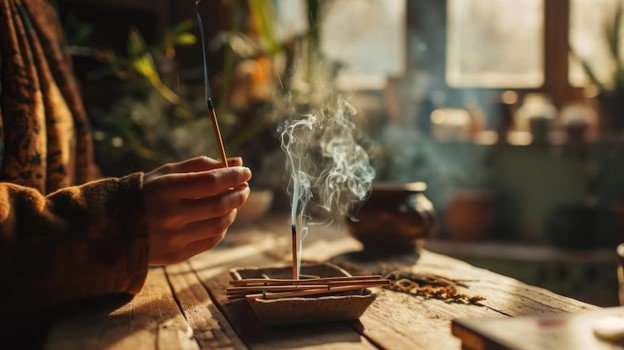
A good stick burns evenly from tip to base. It does not crackle, spit or leave a sharp, bitter smell. Thick, harsh smoke is a warning sign.
Here is what we watch for:
- Even burn: The ash holds its shape and falls in one piece.
- Steady aroma: The scent stays the same from the first minute to the last.
- Moderate smoke: A thin ribbon is enough. A cloud makes a room feel heavy.
- Clean finish: No chemical smell lingers once the stick has gone out.
Burn time matters too. A longer burn suits a full puja, while a shorter one gives a quick refresh.
Think About the Space
Room size changes the answer. One stick can fill a small prayer corner. A large hall may need two, placed well apart.
Ventilation counts as well. A slightly open window lets smoke drift out and keeps the aroma gentle. People with asthma or allergies, and homes with infants, should keep sticks away from sleeping areas. A doctor’s advice helps if smoke causes any discomfort.
Smart Ways to Buy Online
Online shopping saves time. A few habits protect the quality of what arrives.
When we plan to buy spiritual fragrance products India-wide, from agarbatti to dhoop, attar and ashtagandha, these steps help:
- Start with a small pack or combo before ordering in bulk.
- Read the description for fragrance notes, weight and stick count.
- Check the return terms, since many sellers do not accept returns for a scent that simply does not suit.
- Prefer sellers who share a physical address and a working phone number.
- Compare the price per stick, not only the pack price.
Common Mistakes to Avoid
Small errors can spoil a good stick. We see these most often:
- Lighting too many sticks at once in a closed room
- Mixing two strong scents in the same space
- Choosing only by the pack design
- Burning sticks near curtains, paper or shelves
Storage and Handling Tips
Fragrance fades once a pack stays open. Keep sticks in an airtight box, away from sunlight and damp air. Use a proper holder with an ash catcher, and place it on a steady, non-flammable surface. A lit stick should never be left alone.
Conclusion
The best agarbatti is not the strongest one. It is the right scent, at the right hour, in the right room. Once we know the types, read the ingredients, watch the burn and store the sticks well, every purchase becomes easier.
At Dhoot Sugandhi, we have been crafting agarbatti, dhoop, attar and ashtagandha in Pune since 1951. Our range includes masala and scented agarbatti, dhoop and ashtagandha, so every ritual and every room can have a fragrance that fits.
FAQs
Can we order agarbatti online and receive it anywhere in India?
Delivery depends on the seller’s courier coverage. Most stores let us enter a pin code at checkout to confirm. Remote areas may take a few extra days.
What does natural agarbatti actually mean?
It usually means the aroma comes from botanical materials such as herbs, resins, wood powders and essential oils. Some sellers use the term loosely, so the ingredient list is the most reliable guide.
How often is it fine to burn agarbatti at home?
Once or twice a day during puja is common. Keep a window slightly open, and take a break if anyone feels throat or eye irritation.
Which spiritual fragrance products go well with agarbatti?
Dhoop sticks, camphor, attar and ashtagandha are widely used together. Many families buy spiritual fragrance products India wide as a set, so each part of the ritual has its own aroma.